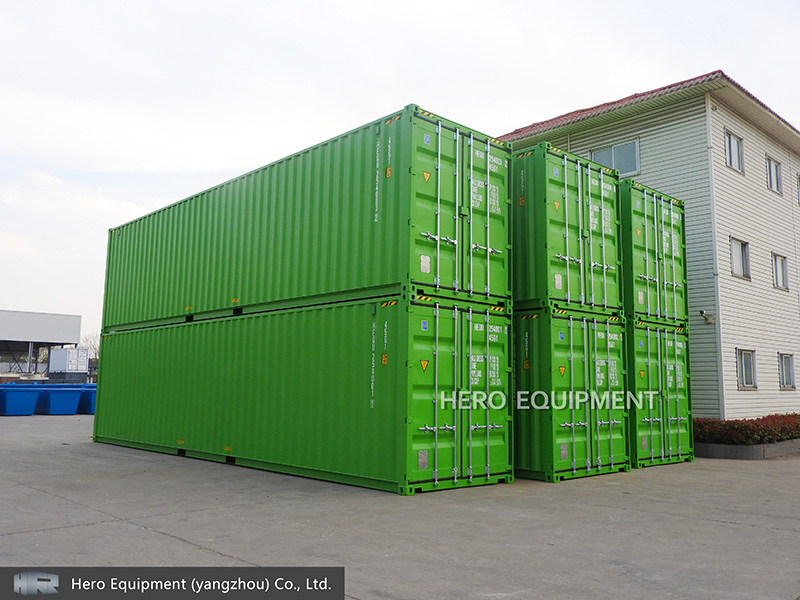
Тээвэрлэлтийн чингэлэг нь дамжин өнгөрөх явцад хүнд нөхцөлд тэсвэртэй байхаар бүтээгдсэн боловч удаан хугацаагаар хадгалах, орон сууц эсвэл арилжааны зориулалтаар ашиглахад тэдгээр нь зэв, зэврэлтэнд илүү өртөмтгий болдог. Кортен гангаар хийгдсэн эдгээр металл хийцүүд нь тээвэрлэлтийн хэвийн нөхцөлд зэвэнд тэсвэртэй байдаг. Гэсэн хэдий ч хаалга, цонхны нүхийг огтолж, нэмэлт бэхэлгээ гагнах эсвэл дотоод орчныг хүрээлэн буй орчны янз бүрийн хүчин зүйлд өртөх зэргээр өөрчилсний дараа хамгаалалтын бүрхүүл эвдэрч болзошгүй. Цаг хугацаа өнгөрөх тусам чийг, давстай агаар, үйлдвэрлэлийн бохирдуулагч бодис, температурын хэлбэлзэл зэрэг нь муудах үйл явцыг хурдасгадаг. Зэврэлт, зэврэлтээс урьдчилан сэргийлэх нь тээвэрлэлтийн савны ашиглалтын хугацааг уртасгах, бүтцийн бүрэн бүтэн байдлыг хадгалахад зайлшгүй шаардлагатай. Энэхүү нийтлэл нь эдгээр олон талт нэгжүүдийг ашиглалтын хугацаанд зэв, зэврэлтээс хамгаалах цогц стратегиудыг судлах болно.
Тээвэрлэлтийн чингэлэг дэх зэв, зэврэлтийг ойлгох
Зэв нь төмөр эсвэл түүний хайлш, тухайлбал ган нь хүчилтөрөгч, чийгтэй урвалд ороход үүсдэг төмрийн ислийн нэг хэлбэр юм. Зэврэлт гэдэг нь хүрээлэн буй орчинтойгоо химийн урвалын улмаас материалын доройтлыг илэрхийлдэг илүү өргөн нэр томъёо юм. Ихэвчлэн кортен гангаар хийгдсэн тээвэрлэлтийн чингэлэг буюу ердийн нөхцөлд хамгаалалтын зэв патина үүсгэх зориулалттай өгөршлийн ган - хамгаалалтын давхарга гэмтсэн эсвэл уг савыг анхны загварын үзүүлэлтээс хэтэрсэн орчинд ашиглах үед зэврэлт үүсдэг.
Захиалгат нь ихэвчлэн цонх, хаалга, агааржуулалтын систем, цахилгааны утас, сантехник зэрэг функцуудыг суурилуулахын тулд ган хана, дээвэр, шалыг огтолж өгдөг. Эдгээр өөрчлөлтүүд нь нүцгэн металлыг ил гаргаж, анхны хамгаалалтын бүрхүүлийг арилгаж, чийг, давс болон бусад идэмхий бодисуудын нэвтрэх цэгүүдийг үүсгэдэг. Зохих эмчилгээ хийхгүй бол эдгээр ил гарсан газрууд нь зэв эхэлж, тархах гол цэг болдог.
Анхны хамгаалалт: Чанарын бүрээс ба гадаргуугийн боловсруулалт
Зэврэлт, зэврэлтээс хамгаалах эхний шугам нь савны анхны өнгөлгөөний чанар, тохируулах явцад эсвэл дараа нь хийсэн нэмэлт гадаргуугийн боловсруулалтаас эхэлдэг. Ихэнх стандарт тээвэрлэлтийн савнууд нь зэврэлтээс хамгаалах зориулалттай үйлдвэрт түрхсэн праймер, будагтай байдаг. Гэсэн хэдий ч савыг өөрчилсний дараа ил гарсан эсвэл зүсэгдсэн гадаргуу дээр хамгаалалтын бүрээсийг дахин түрхэх нь маш чухал юм.
Тохируулах ажил эхлэхээс өмнө нөлөөлөлд өртсөн хэсгүүдийн зэв, гэмтсэн будгийг нунтаглах, нунтаглахыг зөвлөж байна. Энэ нь шинэ бүрээсийг зөв нааж, дээд зэргийн хамгаалалтыг хангана. Гадаргууг гөлгөр болгосны дараа далайн чанартай өндөр чанартай праймерыг хэрэглэх нь чухал юм. Далайн праймерууд нь давстай ус, чийгшил, хүрээлэн буй орчны хүнд нөхцөлд тэсвэртэй байхаар тусгайлан бүтээгдсэн тул эрэг орчмын болон үйлдвэрлэлийн орчинд өртөж болзошгүй саванд тохиромжтой.
Праймерыг хатаасны дараа удаан эдэлгээтэй, цаг агаарт тэсвэртэй будаг хэрэглэх шаардлагатай. Эпоксид суурилсан будаг эсвэл полиуретан бүрээс нь маш сайн сонголт юм, учир нь тэдгээр нь хүчтэй наалдамхай, уян хатан чанар, нунтаглах, бүдгэрэх, химийн нөлөөнд тэсвэртэй байдаг. Эдгээр бүрээсийг жигд түрхэж, савыг ашиглахаас өмнө бүрэн хатах ёстой. Нэмэлт хамгаалахын тулд, ялангуяа хатуу ширүүн орчинд хоёрдахь будаг эсвэл зэврэлтээс хамгаалах тусгай чигжээсийг түрхэж болно.
Байгаль орчны асуудал ба савыг байрлуулах
Зэврэлт, зэврэлтэнд өртөмтгий байдалд тохирсон тээвэрлэлтийн савыг байрлуулах орчин чухал үүрэг гүйцэтгэдэг. Далайн эргийн ойролцоо, үйлдвэрлэлийн бүс, эсвэл өндөр чийгшил, хур тунадас, температурын хэлбэлзэлтэй бүс нутагт байрладаг савнууд илүү эрсдэлтэй байдаг. Урьдчилан сэргийлэх арга хэмжээ авахгүй бол давсны агаар, бохирдуулагч бодис, байнга конденсаци нь зэврэлтийн процессыг хурдасгадаг.
Савыг байрлуулахдаа нарны шууд тусгал, аадар бороо, ус тогтворгүй байх газрыг сонгох нь чухал. Суурь эсвэл блок дээр савыг дээш өргөх нь доороос чийг хуримтлагдахаас сэргийлж, барилгын доод талд зэв үүсэх эрсдлийг бууруулдаг. Нэмж хэлэхэд, савны эргэн тойронд зохих ус зайлуулах суваг тавих нь усыг өөр тийш нь чиглүүлж, хуримтлагдахаас сэргийлж, зүссэн эсвэл гагнасан хэсгүүдэд чийг нэвчихэд хүргэдэг.
Давстай агаар байнга заналхийлж байдаг далайн эрэг орчмын савны хувьд нэмэлт урьдчилан сэргийлэх арга хэмжээ авах шаардлагатай. Давсны хуримтлалыг арилгахын тулд цэвэр усаар тогтмол цэвэрлэх нь давсны идэмхий нөлөөг багасгахад тусална. Далайн орчинд тусгайлан зориулсан зэврэлтээс хамгаалах шүршигч эсвэл эмчилгээг эмзэг газруудад хэрэглэж болно. Цаашилбал, савыг халхавч дор эсвэл салхины хамгаалалтаар хүрээлэгдсэн гэх мэт хамгаалалттай газар байрлуулах нь давстай салхи, чийгийн шууд нөлөөллийг бууруулдаг.
Тогтмол засвар үйлчилгээ, хяналт шалгалт
Зэврэлт, зэврэлтээс урьдчилан сэргийлэх нь байнгын засвар үйлчилгээ, хяналт шаарддаг байнгын үйл явц юм. Чанартай бүрээстэй, зөв байрлуулсан ч савнууд нь цаг хугацааны явцад элэгдэж, урагдаж байдаг. Тогтмол шалгалтууд нь зэвэрсэн толбо, будгийг хальслах, гэмтсэн битүүмжлэлийг эрт илрүүлэх боломжийг олгодог бөгөөд ингэснээр жижиг асуудлууд томоохон асуудал болж хувирахаас өмнө яаралтай арилгах боломжийг олгодог.
Савыг шалгахдаа гадна талын бүх гадаргууг, ялангуяа чийг хуримтлагдах тайралт, гагнуур, булан, үений эргэн тойронд үзлэг хийх шаардлагатай. Анхны будаг нь харьцах, ашиглах явцад маажиж, хагарсан байж болзошгүй газруудад анхаарлаа хандуулаарай. Савны дотор хана, тааз, шалан дээр конденсац, ус гоожиж, зэв байгаа эсэхийг шалгаарай. Конденсаци нь савны нийтлэг асуудал бөгөөд ялангуяа температурын хэлбэлзэлтэй орчинд хадгалахад ашиглагддаг. Энэ нь дулаан, чийглэг агаар нь сэрүүн гадаргуутай шүргэлцэх үед үүсдэг бөгөөд энэ нь зэвийг өдөөж болох усны дусал үүсгэдэг.
Конденсацийг багасгахын тулд савны доторх агааржуулалтыг сайтар хангана. Агааржуулалтын нүх суурилуулах эсвэл чийгшүүлэгч ашиглах нь чийгшлийн түвшинг хянаж, чийг хуримтлагдах эрсдлийг бууруулахад тусална. Үүнээс гадна савыг дулаалах нь дотоод температурыг зохицуулах, конденсац үүсэхээс сэргийлнэ. Гэсэн хэдий ч дулаалга хийхдээ бүх үе ба ирмэгийг сайтар битүүмжлэх нь тусгаарлагч дотор чийг орохоос сэргийлж, далд зэв, хөгц үүсэхээс сэргийлнэ.
Зэврэлт ба зэврэлтийг арилгах: нөхөн сэргээх арга
Урьдчилан сэргийлэх хүчин чармайлтыг үл харгалзан зэв нь цаг хугацааны явцад, ялангуяа стресс ихтэй газар эсвэл хамгаалалтын бүрээс нь эвдэрсэн газруудад үүсдэг. Зэв илэрсэн тохиолдолд цаашид тархахаас урьдчилан сэргийлэхийн тулд үүнийг цаг алдалгүй арилгах нь чухал юм. Нөхөн сэргээх үйл явц нь ихэвчлэн зэвийг арилгах, нөлөөлөлд өртсөн хэсгийг эмчлэх, хамгаалалтын бүрхүүлийг дахин наах явдал юм.
Гадаргуугийн бага зэргийн зэв үүссэн тохиолдолд сул зэвний хэсгүүдийг арилгахын тулд нөлөөлөлд өртсөн хэсгийг зүлгүүрээр эсвэл утсаар самнаж эхэлнэ. Үлдсэн зэвийг саармагжуулж, дахин будахад тогтвортой гадаргууг бий болгохын тулд зэв хувиргагч эсвэл дарангуйлагч ашиглана уу. Зэвийг цэвэрлэсний дараа савны одоо байгаа өнгөлгөөтэй тохирох праймер, будгийг түрхээрэй. Металл нь цоорсон эсвэл хагарч эхэлсэн зэвэрсэн тохиолдолд гэмтсэн хэсгийг хайчилж, шинэ гангаар гагнах шаардлагатай болно. Засвар дууссаны дараа гагнуурыг нунтаглаж, праймерыг хэрэглэж, эргэн тойрны гадаргуутай холихын тулд талбайг дахин будна.
Үзэгдэх зэвийг арилгахаас гадна савыг чийг нэвтрэхээс хамгаалж буй лац, жийргэвч болон бусад эд ангиудыг шалгаж, арчлах нь чухал юм. Хаалга, цонх, агааржуулалтын нүхний эргэн тойронд ус орохоос сэргийлж гэмтсэн, муудсан лацыг солих шаардлагатай. Хаалганы нугас, түгжээ зэрэг хөдөлгөөнт хэсгүүдийг тогтмол тослох нь зэв үүсэхээс сэргийлж, жигд ажиллахад тусална.
Урт хугацааны шийдэл: Бат бөх чанарыг нэмэгдүүлэх
Захиалгат тээвэрлэх чингэлэгийнхээ ашиглалтын хугацааг нэмэгдүүлэхийг эрэлхийлж буй хүмүүсийн хувьд урт хугацааны шийдэлд хөрөнгө оруулалт хийх нь эдэлгээг мэдэгдэхүйц нэмэгдүүлэх боломжтой. Үр дүнтэй арга замуудын нэг бол гаднах будагны доор зэвийг дарангуйлах давхарга эсвэл хамгаалалтын хальс түрхэх явдал юм. Эдгээр бүтээгдэхүүн нь чийг, идэмхий бодисыг металл гадаргуу дээр хүрэхээс сэргийлдэг нэмэлт хамгаалалтын давхаргыг бий болгодог.
Өөр нэг сонголт бол хүрээ, бэхэлгээ, холбох хэрэгсэл гэх мэт аливаа тохируулгад цайрдсан эсвэл зэвэрдэггүй ган эд ангиудыг ашиглах явдал юм. Ердийн гангаас ялгаатай нь эдгээр материалууд нь зэв, зэврэлтэнд тэсвэртэй тул чийгэнд өртөх нь санаа зовдог орчинд ашиглахад тохиромжтой. Эдгээр материалууд нь илүү үнэтэй байж болох ч зэв үүсэх эрсдлийг бууруулж, савны ашиглалтын хугацааг уртасгах боломжтой.
Далайн эрэг орчмын бүс нутаг эсвэл үйлдвэрийн газар гэх мэт эрс тэс орчинд ашигладаг савны хувьд зэврэлтээс хамгаалах тусгай бүрээс эсвэл доторлогоо хийх талаар бодож үзээрэй. Эдгээр бүтээгдэхүүнүүд нь давс, химийн бодис болон бусад түрэмгий бодисоос илүү хамгаалалтыг хангах зорилготой юм. Зарим бүрээс нь хэт ягаан туяанд тэсвэртэй тул наранд удаан хугацаагаар өртөх үед будаг нь бүдгэрч, хагарахаас сэргийлдэг.
Дүгнэлт
Захиалгат тээвэрлэлтийн чингэлэг нь агуулах, орон сууцнаас эхлээд хөдөлгөөнт оффис, жижиглэн худалдааны талбай хүртэл өргөн хүрээний хэрэглээнд зориулагдсан олон талт, хэмнэлттэй шийдлийг санал болгодог. Гэсэн хэдий ч тэдний бат бөх, урт наслалт нь зэв, зэврэлтээс урьдчилан сэргийлэх идэвхтэй арга хэмжээнээс ихээхэн хамаардаг. Зэв үүсэхэд нөлөөлж буй хүчин зүйлсийг ойлгож, өндөр чанартай бүрээсийг түрхэж, хүрээлэн буй орчны байршлыг харгалзан үзэж, урсгал засвар хийж, асуудлыг цаг алдалгүй шийдвэрлэснээр эзэд нь савныхаа ашиглалтын хугацааг мэдэгдэхүйц уртасгах боломжтой.
Зэв, зэврэлтээс урьдчилан сэргийлэх нь нэг удаагийн ажил биш, харин савыг гадны нөлөөллөөс хамгаалах, бүтцийн бүрэн бүтэн байдлыг хадгалах байнгын үүрэг хариуцлага юм. Зөв стратеги, тогтмол арчилгаа хийснээр захиалгат тээвэрлэлтийн чингэлэг нь олон арван жилийн турш ажиллагаатай, аюулгүй, үзэмжтэй хэвээр байж, хамгийн хэцүү нөхцөлд ч найдвартай үйлчилгээ үзүүлдэг. Түр зуурын болон байнгын зориулалтаар ашиглахаас үл хамааран арчилгаа сайтай тээвэрлэлтийн чингэлэг нь цаг хугацааны шалгуурыг тэсвэрлэх үнэ цэнэтэй хөрөнгө оруулалт юм.



 Утас
Утас
Сэтгэгдэл
(0)