Аж үйлдвэрийн үйл ажиллагааны өргөн цар хүрээтэй орчинд хадгалах шийдлүүд нь түүхий эд, эд анги, хагас боловсруулсан бүтээгдэхүүнийг эмх цэгцтэй, хүртээмжтэй, хамгаалагдсан хэвээр байлгах чимээгүй тулгуур болж өгдөг. Хуванцараас эхлээд зэвэрдэггүй ган хүртэл хадгалах сав үйлдвэрлэхэд ашигладаг олон төрлийн материалын дотроос зөөлөн ган нь практик, бат бөх, дасан зохицох чадвараараа өвөрмөц байдлаараа үнэлэгдсэн цаг хугацаагаар шалгагдсан сонголт юм. Зөөлөн ган савнууд нь тусгай хайлш эсвэл синтетик материалаас ялгаатай нь үйлдвэрлэлийн орчны үндсэн шаардлагад нийцсэн олон давуу талыг санал болгодог: стрессийн нөхцөлд найдвартай байдал, өртөг хэмнэлттэй байдал, хадгалах төрөл бүрийн хэрэгцээг хангах уян хатан байдал. Тэдгээрийн үнэ цэнийг бүрэн ойлгохын тулд эдгээр шинж чанарууд нь үйлдвэрлэлийн ажлын урсгалд бодит ашиг тусыг хэрхэн авчрахыг судлах нь чухал юм.
1. Хүч чадал, тэсвэр хатуужил, шаардлага өндөртэй орчинд
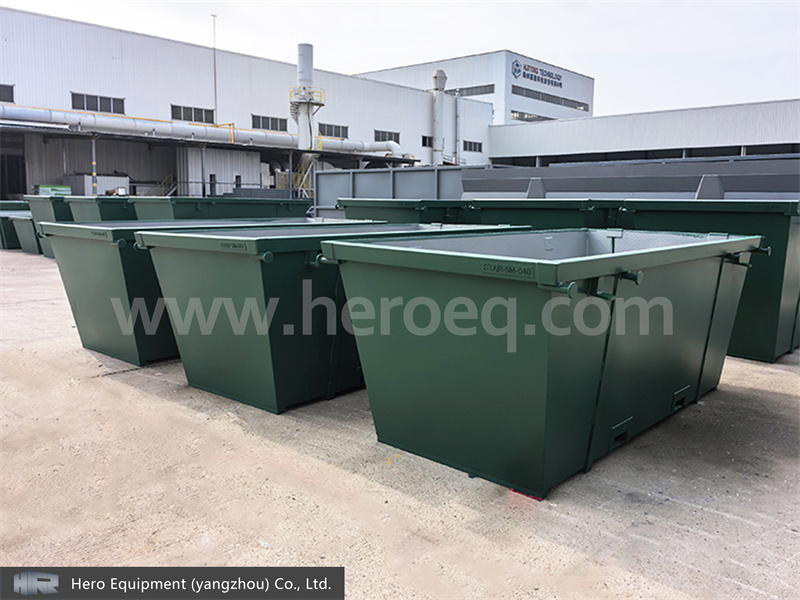
Аж үйлдвэрийн нөхцөл нь хүнд ачаалал, ойр ойрхон харьцах, машин механизм, багаж хэрэгслийн нөлөөлөл, температурын хэлбэлзэл эсвэл бага зэргийн химийн бодис цацах зэргээр тодорхойлогддог. Зөөлөн ган, нүүрстөрөгчийн агууламж багатай төмрийн хайлш (ихэвчлэн 0.05% - 0.25%) нь төрөлхийн механик хүч чадалтай тул ийм сорилтод маш сайн тохирдог. Түүний талст бүтэц нь их хэмжээний шахалтын болон суналтын хүчийг тэсвэрлэх боломжийг олгодог бөгөөд энэ нь зөөлөн гангаар хийсэн савнууд нь хэв гажилт, нуралтгүйгээр их хэмжээний жинг тэсвэрлэх чадвартай гэсэн үг юм. Доод давхаргууд нь дээрх ачааллыг эвдрэлгүйгээр даах ёстой тул зайг нэмэгдүүлэхийн тулд хогийн савыг босоо байдлаар овоолсон хадгалах хувилбарт энэ уян хатан чанар нь маш чухал юм.
Түүнчлэн, зөөлөн гангийн элэгдэлд тэсвэртэй байдал нь урт наслалтыг баталгаажуулдаг. Хэт ягаан туяаны туяа эсвэл олон удаагийн нөлөөллөөс болж цаг хугацааны явцад хагарч, хэврэг болж болзошгүй хуванцар савнаас ялгаатай нь зөөлөн ган нь олон жил ашигласны дараа ч бүтцийн бүрэн бүтэн байдлаа хадгалдаг. Мөн зөөлөн гадаргууг цоолж, зурж болох хурц ирмэгтэй зүйлс, зүлгүүрийн материалаас илүү сайн ажилладаг. Конвейерийн систем эсвэл динамик агуулах гэх мэт хадгалалтын нэгжүүд байнгын хөдөлгөөнд өртдөг орчинд зөөлөн ган савнууд нь хэлбэр, функциональ байдлаа хадгалж, ойр ойрхон солих хэрэгцээг багасгаж, сул зогсолтыг багасгадаг.
2. Гүйцэтгэлийг алдагдуулахгүйгээр зардлын үр ашиг
Аж үйлдвэрийн операторуудын хувьд гүйцэтгэлийг төсвийн хязгаарлалттай тэнцвэржүүлэх нь байнгын тэргүүлэх чиглэл юм. Зэвэрдэггүй ган эсвэл хүчитгэсэн хуванцар гэх мэт өөр хувилбаруудаас илүү үнэ цэнэтэй давуу талыг санал болгодог зөөлөн ган савнууд энд маш сайн байдаг. Зөөлөн гангийн үйлдвэрлэл нь өндөр хайлштай гантай харьцуулахад эрчим хүч бага зарцуулдаг бөгөөд өргөн тархсан байдал нь түүхий эдийн зардлыг харьцангуй бага байлгадаг. Энэхүү боломжийн үнэ нь үйлдвэрлэлийн процессуудад хамаатай: зөөлөн ган нь уян хатан, үйлдвэрлэхэд хялбар тул нарийн төвөгтэй эсвэл үнэтэй багаж хэрэгсэл шаардалгүйгээр янз бүрийн хэмжээ, гүн, тохиргооны хогийн савыг үр ашигтай хэлбэрт оруулах боломжийг олгодог.
Анхны худалдан авалтын зардлаас гадна зөөлөн ган савнууд нь бат бөх чанараараа дамжуулан урт хугацааны хэмнэлт гаргахад хувь нэмэр оруулдаг. Тэдний хатуу ширүүн нөхцөл байдлыг тэсвэрлэх чадвар нь урт хугацааны үйлчилгээний хугацаатай бөгөөд урьдчилсан хөрөнгө оруулалтыг илүү олон жилээр түгээдэг. Нэмж дурдахад засвар үйлчилгээний шаардлага хамгийн бага байдаг. Зөөлөн ган нь бүрээгүй тохиолдолд зэвэнд өртөмтгий байдаг ч нунтаг бүрэх, цайрдах зэрэг орчин үеийн үйлдвэрлэлийн өнгөлгөө нь зэврэлтээс найдвартай хамгаалж, ойр ойрхон дахин будах, эд анги солих шаардлагагүй болно. Анхны өртөг багатай, амьдралын мөчлөгийн зардал багассан энэхүү хослол нь бага зэргийн ган хогийн савыг их хэмжээний агуулахын хэрэгцээг удирдах байгууламжуудад санхүүгийн хувьд ухаалаг сонголт болгодог.
3. Дизайн ба хэрэглээний олон талт байдал
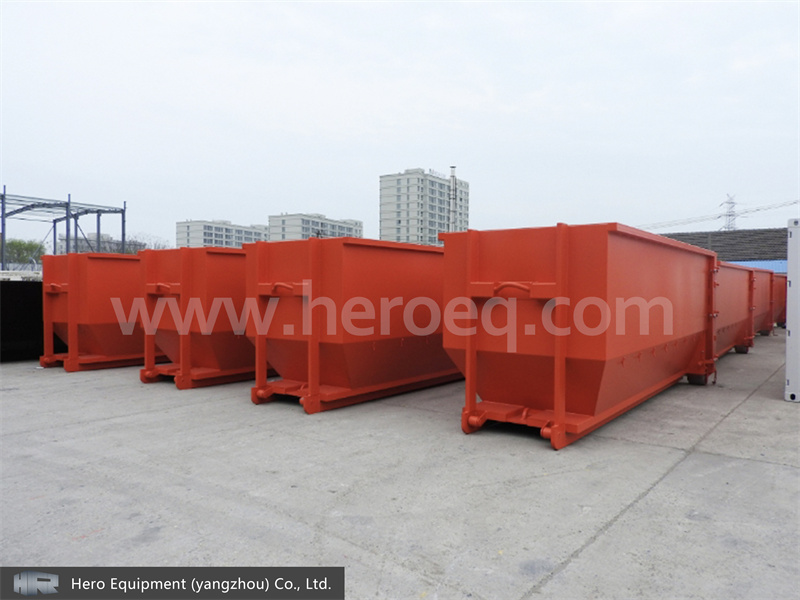
Аж үйлдвэрийн агуулах нь бүх хүнд тохирсон нэг төрлийн загварыг дагах нь ховор. Төрөл бүрийн үйл ажиллагаа нь жижиг эд анги, том эд анги, чөлөөтэй урсдаг материалыг хадгалахад зориулсан тодорхой хэлбэр, хэмжээ, функциональд тохируулсан хогийн савыг шаарддаг. Зөөлөн гангийн уян хатан чанар нь энд тоглоомыг өөрчилдөг. Чадварлаг үйлдвэрлэгчид зөөлөн ганг нугалж, гагнаж, хэлбэржүүлж, бараг хязгааргүй олон төрлийн дизайн хийх боломжтой: хөнгөн жинтэй зүйлд хялбар нэвтрэх зориулалттай гүехэн хогийн сав, материал хуримтлагдахаас сэргийлж налуу талтай гүн хогийн сав, эсвэл тогтвортой босоо хадгалах зориулалттай овоолдог төхөөрөмж. Нугастай таг, доош унждаг нүүр эсвэл цоолсон хавтангууд нь агуулгыг харагдахуйц байлгах эсвэл ус зайлуулах сувгийг хөнгөвчлөх гэх мэт ашиглахад хялбар болгох зорилгоор нэгтгэж болно.
Энэхүү дизайны уян хатан байдал нь одоо байгаа дэд бүтэцтэй нийцтэй байх боломжийг олгодог. Зөөлөн ган савыг тавиурын систем, тавиурын тавиур эсвэл автоматжуулсан хадгалах, татаж авах системд (AS/RS) яг тааруулж тохируулах боломжтой бөгөөд энэ нь тогтсон ажлын урсгалд саадгүй нэгтгэх боломжийг олгоно. Тэдгээрийг мөн янз бүрийн материалтай ажиллахад тохируулж болно: гөлгөр дотоод засал нь нарийн нунтаг наалдахаас сэргийлж, бүтэцтэй гадаргуу эсвэл доторлогоо (шаардлагатай үед) жигд бус хэлбэртэй эд зүйлсийг хамгаална. Ийм дасан зохицох чадвар нь бага зэргийн ган савыг үйлдвэрлэл, ложистикээс эхлээд хөдөө аж ахуй, барилга байгууламж зэрэг өргөн хүрээний салбарт ашиглахад тохиромжтой болгодог.
4. Бүтцийн тогтвортой байдал ба аюулгүй байдал
Тогтворгүй хадгалалт нь осол аваар, эвдэрсэн бараа, ажлын урсгал тасалдахад хүргэдэг үйлдвэрлэлийн орчинд аюулгүй байдлын талаар тохиролцох боломжгүй юм. Зөөлөн ган савнууд нь угаасаа тогтвортой байдгаараа илүү аюулгүй ажлын талбарт ихээхэн хувь нэмэр оруулдаг. Тэдгээрийн хатуу бүтэц нь хүчин чадлаараа дүүрсэн ч хэв гажилтыг тэсвэрлэдэг тул хазайх, нурах эрсдлийг бууруулдаг бөгөөд энэ нь ачаалал ихтэй газар эсвэл хүнд машин механизмтай бүсүүдэд чухал ач холбогдолтой юм. Хүчитгэсэн суурь, жингийн тэнцвэртэй хуваарилалтаар хийгдсэн овоолсон зөөлөн ган хогийн сав нь олон нэгжийг босоо тэнхлэгт овоолсон ч тогтвортой байдлыг хадгалж, ажилчдад аюул учруулах, бараа материалыг гэмтээж болзошгүй шат дамжлага эвдрэлээс сэргийлнэ.
Цаашилбал, зөөлөн гангийн дулаан дамжилтын илтгэлцүүр нь аюулгүй байдлын үндсэн шинж чанар биш ч тодорхой нөхцөлд нарийн үүрэг гүйцэтгэдэг. Өндөр температурт зөөлөрч, хайлж чаддаг хуванцар савнаас ялгаатай нь зөөлөн ган нь зуухны ойролцоо эсвэл хүйтэн улиралд халаалтгүй агуулах зэрэг дунд зэргийн дулаантай орчинд хэлбэрээ хадгалдаг. Энэхүү дулааныг тэсвэрлэх чадвар нь хогийн сав нь орчны температурын өөрчлөлтөөс үл хамааран ажиллахад аюулгүй бөгөөд үйл ажиллагааны аюулгүй байдлын тогтвортой стандартыг дэмждэг.
5. Байгаль орчны тогтвортой байдал ба дахин боловсруулах чадвар
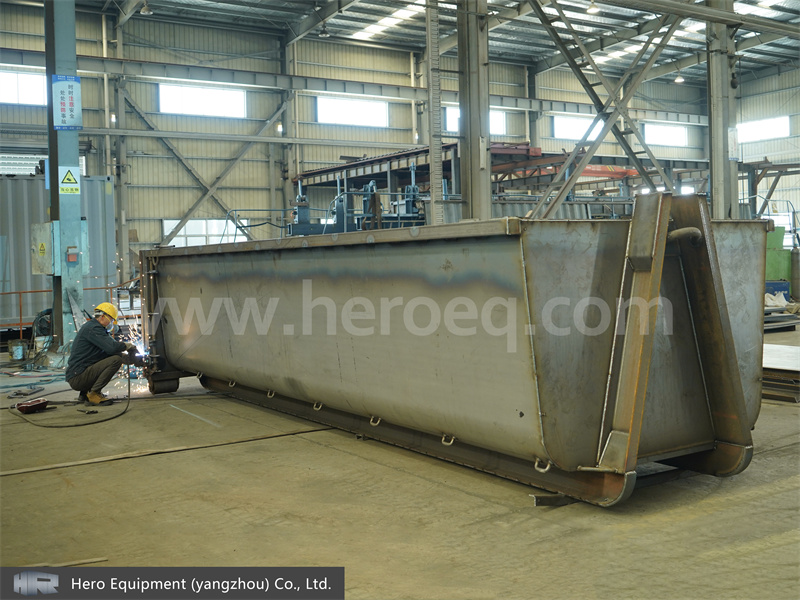
Аж үйлдвэрүүд тогтвортой байдлыг улам бүр чухалчилж байгаа тул хадгалах шийдлүүдийн байгаль орчны дүр төрхийг анхаарч үзэх болсон. Зөөлөн ган савнууд энд өндөр оноо авдаг. Зөөлөн ган нь дэлхийн хамгийн дахин боловсруулсан материалын нэг бөгөөд дахин боловсруулалтын хувь нь олон бүс нутагт 90% давдаг. Ашиглалтын хугацаа дууссаны дараа зөөлөн ган савыг хайлуулж, чанарын хувьд хамгийн бага алдагдалтай шинэ ган бүтээгдэхүүн болгон дахин боловсруулж, цэвэр түүхий эдийн эрэлтийг бууруулж, олборлолт, боловсруулалттай холбоотой нүүрстөрөгчийн ялгарлыг бууруулна.
Нэмж дурдахад зөөлөн ган савны ашиглалтын хугацаа нь дугуй эдийн засгийн зарчимтай нийцдэг. Хэдэн арван жил ашигласнаар тэд богино хугацаатай хувилбаруудтай харьцуулахад хог хаягдлын давтамжийг бууруулдаг. Зөөлөн ган савнууд нь дэгдэмхий органик нэгдлүүд (VOCs) агуулаагүй гэх мэт байгальд ээлтэй бүрээстэй хослуулснаар хүрээлэн буй орчны ул мөрийг улам бүр багасгадаг. Тогтвортой байдлын зорилтыг биелүүлэх эсвэл дүрэм журмыг дагаж мөрдөх зорилготой байгууламжийн хувьд зөөлөн ган савыг сонгох нь үйл ажиллагааны үр ашиг, экологийн хариуцлагыг хоёуланг нь дэмждэг.
Зөөлөн ган савнууд нь үйлдвэрлэлийн агуулахад онцгой байр эзэлдэг бөгөөд хүч чадал, боломжийн үнэ, олон талт байдал, аюулгүй байдал, тогтвортой байдлын тэнцвэртэй байдлыг санал болгодог. Тэдний эрэлт хэрэгцээтэй орчинд амжилттай хөгжиж, олон янзын хэрэгцээнд дасан зохицож, урт хугацааны үнэ цэнийг бий болгох чадвар нь тэднийг зөвхөн савнаас илүү болгож, үр ашигтай, найдвартай, хариуцлагатай үйлдвэрлэлийн үйл ажиллагааг идэвхжүүлдэг. Аж үйлдвэрүүд үргэлжлэн хөгжихийн хэрээр зөөлөн гангийн мөнхийн чанар нь эдгээр хогийн савнууд нь ухаалаг хадгалалтын стратегийн тулгын чулуу хэвээр үлдэж, бизнесийн өнөөгийн хэрэгцээг хангахын зэрэгцээ бат бөх, тогтвортой байдлын ирээдүйн эрэлт хэрэгцээнд нийцэх боломжийг олгодог.



 Утас
Утас
Сэтгэгдэл
(0)